Your No-Nonsense Guide to Keeping Your ZZ Plant Healthy and Thriving
You’ve brought home a ZZ plant, maybe for its striking looks or its reputation as a tough-as-nails houseplant. Both are true! But even the most resilient plants need a little love to truly flourish. With years of getting my hands dirty in this industry, I’ve learned a thing or two about what makes these beauties tick. Forget the confusing jargon; this guide cuts straight to what works, ensuring your ZZ plant care routine leads to lush, vibrant growth. Let’s get your ZZ plant not just surviving, but absolutely thriving.
1. How to Water Your ZZ Plant for Optimal Health
Getting your watering right is probably the single most important piece of advice I can give you for any ZZ plant. These plants are built to handle drought, not drowning. Overwatering is the express lane to root rot, and trust me, you don’t want to go there.
1.1. Watering Frequency: Season and Environment Matter
The key here is understanding your plant’s environment. There’s no one-size-fits-all schedule.
- Checking Soil Moisture: Always start with the soil. Stick your finger two to three inches deep. If it feels dry, it’s probably time to water. If it’s still damp, hold off.
- Summer (Warmer Months): You’ll find yourself watering more frequently, perhaps once or twice a week. Higher temperatures and lower humidity mean the soil dries out faster.
- Winter (Colder Months): Growth slows down dramatically, so your plant needs much less water. Once a week, or even less, might be enough. Always check the soil; it holds moisture longer when it’s cool.
- Indoor Plants: Plants kept indoors generally need less water than those outside. Your home’s stable environment and slower evaporation rates mean they aren’t losing moisture as quickly.
1.2. Watering Techniques to Prevent Root Rot
How you water is just as important as when you water. Do it right, and your ZZ plant will thank you.
- Water Evenly, Avoid Pooling: Pour water slowly and evenly around the base of the plant until you see it draining from the bottom holes. Make sure there’s no standing water left in the pot or on the leaves. Good drainage is non-negotiable for ZZ plants.
- Misting for Humidity (Not Watering): If your indoor air is very dry, a light misting on the leaves and around the base in the early morning or late evening can boost humidity. Just remember, this isn’t a substitute for watering the soil.
- Ensure Well-Draining Soil: Your soil mix is your first line of defense against root rot. Use a chunky, well-aerated mix, often incorporating perlite or coarse sand.
- Prevent Standing Water: Never let your ZZ plant sit in a saucer of water. Dump any excess after 15-20 minutes. This prevents waterlogging and ensures the roots get the oxygen they need.
1.3. Signs of Under- or Over-Watered ZZ Plants
Your plant talks to you through its leaves. Learn to listen.
- Under-watered: The leaves might look a bit droopy, feel soft, and lose their vibrant color. They could even start curling inwards or develop crispy edges. The soil will be noticeably dry and hard.
- Over-watered (Waterlogged): This is often more serious. You’ll likely see yellowing leaves, especially on the lower parts of the plant. The roots might start to rot, giving off a foul smell, and appearing black or brown. The leaves can also feel mushy and soft, and the soil will stay wet for an extended period.
2. The Right Light for Your ZZ Plant: Lush Growth and Vibrant Leaves
ZZ plants are famous for tolerating low light, but “tolerating” isn’t the same as “thriving.” Give them the right amount of light, and they’ll truly shine.
2.1. Choosing the Perfect Spot Indoors or in the Office
Placement is everything when it comes to light.
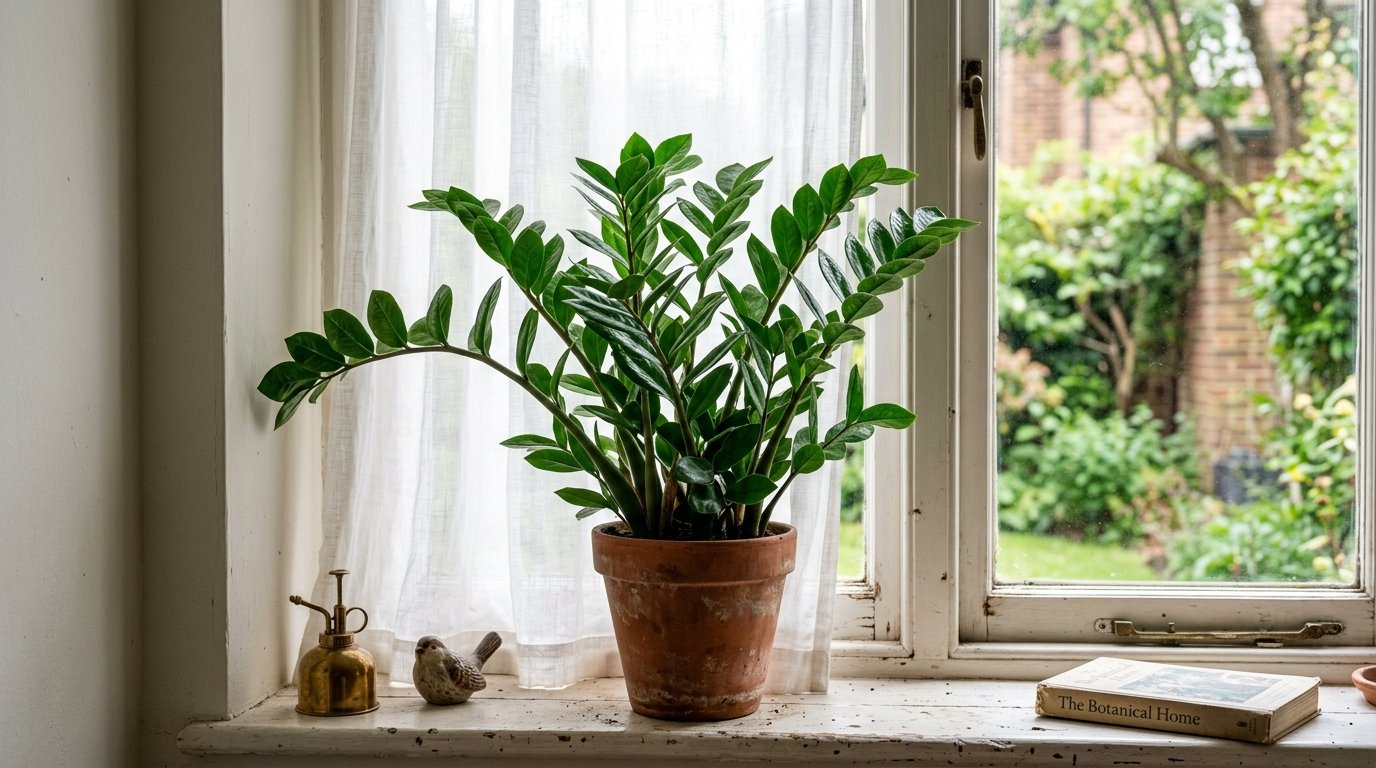
- Ideal Location: Think bright, indirect light. A spot near an east-facing window is perfect, offering gentle morning sun. A west-facing window works too, but you might need a sheer curtain to diffuse the stronger afternoon light.
- Avoid Extremes: Never put your ZZ plant in a spot with absolutely no natural light. And absolutely avoid direct, harsh midday sun. Intense light can scorch the leaves, leading to ugly yellowing or brown spots. A simple sheer curtain can be your plant’s best friend.
2.2. How Much Light Does a ZZ Plant Need to Branch and Bloom?
If you want your ZZ plant to look its best, with new branches and strong growth, moderate light is key.
- Ideal Indirect Light: Aim for about 60-80% diffused natural light throughout the day. This encourages robust photosynthesis without stressing the plant.
- Boosting Photosynthesis: Occasionally, giving your plant a taste of the outdoors can be beneficial. Move it to a spot where it gets an hour or two of gentle early morning sun (say, between 7-9 AM).
- Winter Solutions: During shorter, darker winter days, you might need to get creative. Move your plant closer to a brighter window, or consider supplementing with a dedicated LED grow light to keep it happy.
2.3. Signs of Too Little or Too Much Light
Your ZZ plant will tell you if its lighting isn’t quite right.
- Too Little Light: The plant will stretch, with stems growing long and leggy as it desperately reaches for light (this is called etiolation). New leaves will be smaller, thinner, and paler than usual, and overall growth will slow to a crawl.
- Too Much Light: Direct, intense sun causes stress. You’ll see leaf burn, appearing as brown or yellow spots. The leaves might also lose their natural glossy sheen, turning yellow and dry.
3. Fertilizing Your ZZ Plant: Boosting Growth and Encouraging Blooms
ZZ plants aren’t heavy feeders, but a little nutritional boost at the right time can make a world of difference. Proper ZZ plant care includes smart fertilization.
3.1. Worm Castings and Other Suitable Fertilizers for ZZ Plants
Choosing the right food for your plant is essential.
- Organic Fertilizers:
- Worm Castings: These are fantastic! They’re packed with nutrients, improve soil structure, and help build a stronger root system.
- Compost or well-rotted manure are also excellent choices for a slow, steady nutrient release.
- Balanced NPK Fertilizer: A balanced granular or liquid fertilizer (like a 10-10-10 or 20-20-20 formula) can promote all-around development.
- Slow-Release Fertilizer: These are super convenient, providing a steady stream of nutrients over time and reducing the risk of over-fertilization.
- Microbial Fertilizers: These products help improve soil health and provide long-term nutrient availability.
- A Word of Caution: Go easy on nitrogen-heavy fertilizers. Too much nitrogen can make stems soft and leaves thin and weak, which isn’t what you want for a robust ZZ.
3.2. Fertilizing Schedule Based on Growth Stages
Timing your feeding schedule is just as important as the fertilizer you choose.
- Spring and Fall (Active Growth): These are the prime growing seasons.
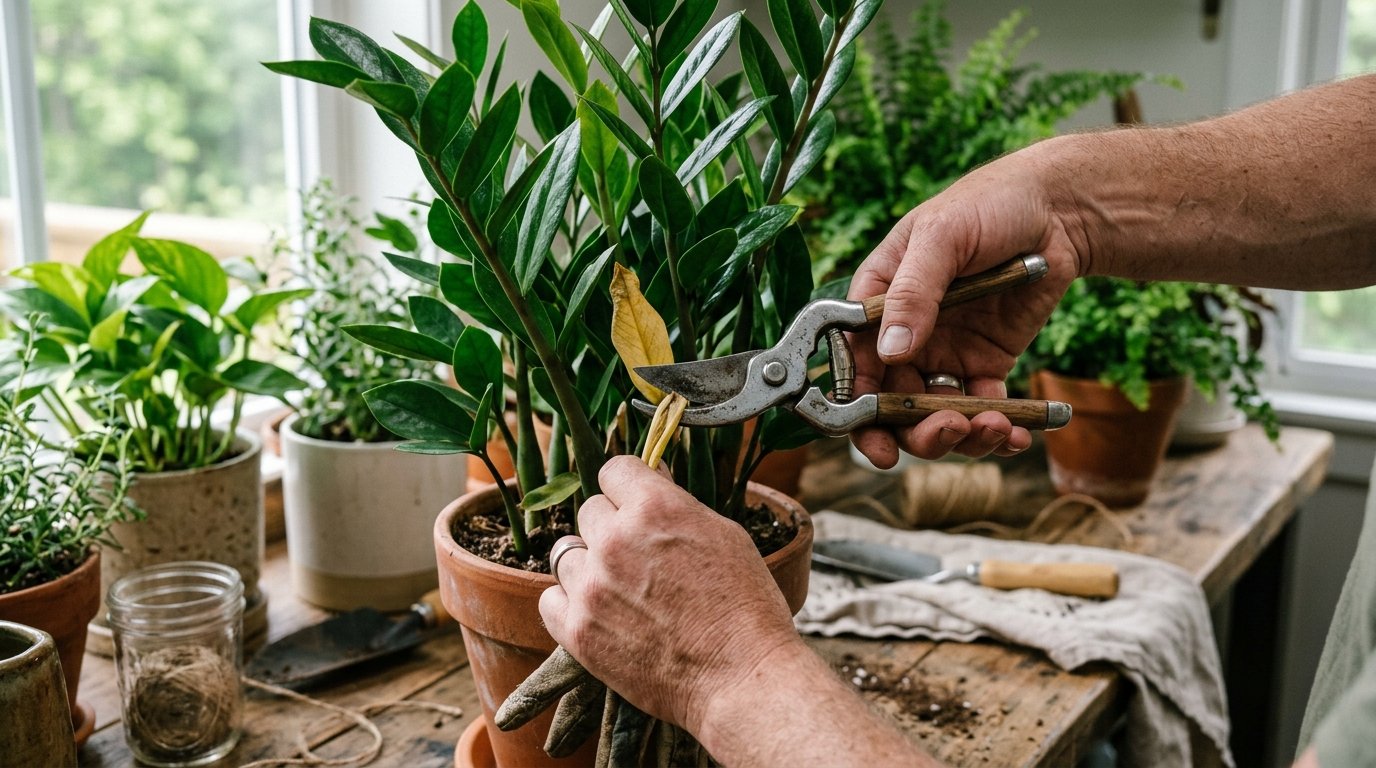
A persons hands carefully prune a yellowed leaf from a ZZ plant, illustrating an essential step in how to care for a ZZ plant. - Frequency: Aim for once every 3-4 weeks.
- Type: Use a balanced NPK, an organic option, a microbial product, or a slow-release fertilizer.
- Winter (Dormant Period):
- Frequency: Stop fertilizing entirely.
- Reason: The plant’s growth slows significantly. Adding nutrients during this period can lead to an excess, stressing the plant and potentially causing root rot.
3.3. Safe Fertilizing Practices to Prevent Root Burn
A little care goes a long way to prevent damage.
- Dilute Your Fertilizer: If you’re using a liquid fertilizer, always dilute it to half strength or even quarter strength before applying. This reduces the concentration and makes it easier for the plant to absorb without getting burned.
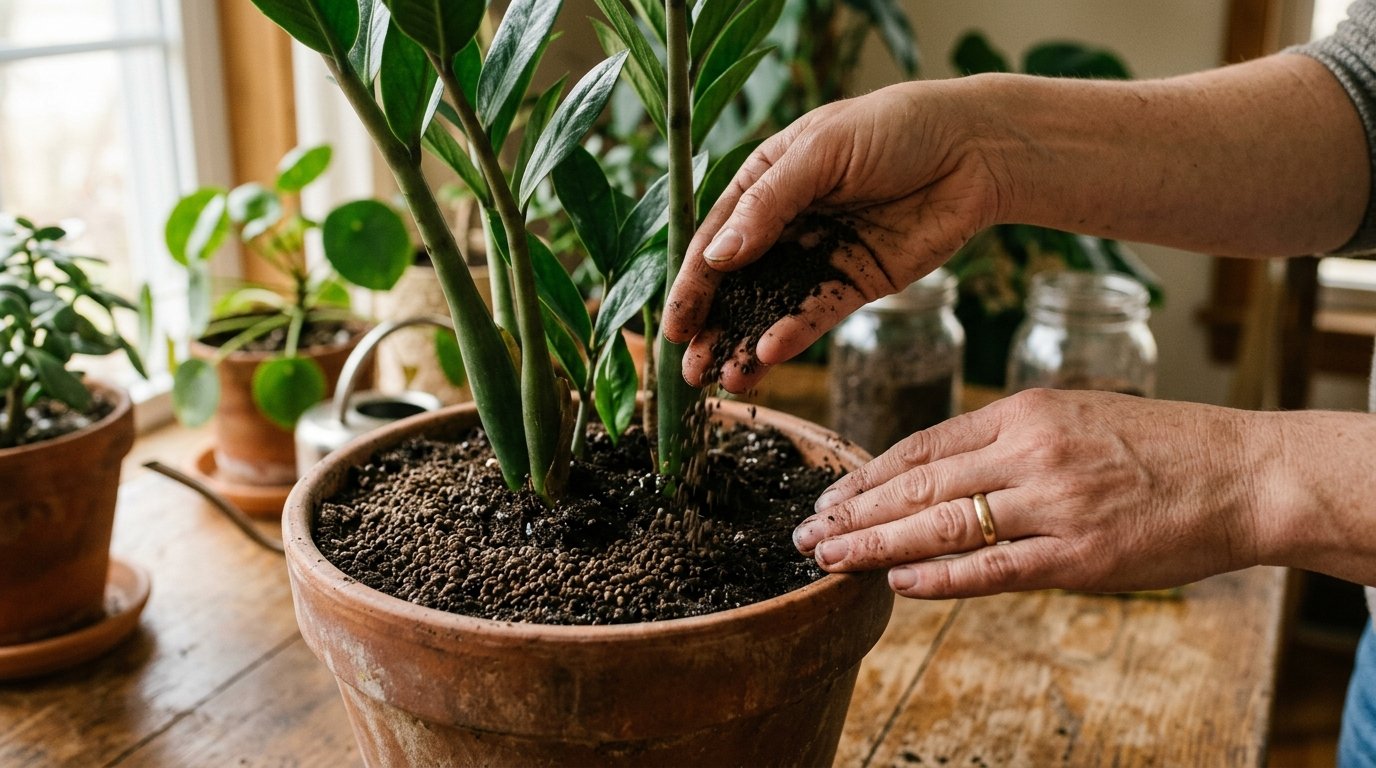
- Don’t Fertilize Too Close to the Base: Spread granular fertilizer evenly around the pot, keeping it about 2-4 inches away from the plant’s stem. This prevents direct contact that can burn the roots.
4. Maintaining Ideal Temperature and Humidity for Your ZZ Plant
ZZ plants are quite adaptable, but they certainly have their sweet spot when it comes to temperature and humidity. Giving them a comfortable environment makes a big difference.
4.1. Preferred Temperature Range for ZZ Plants
Think of their natural habitat – warm and stable.
- Ideal Range: Your ZZ plant will be happiest when the temperature is consistently between 18°C and 28°C (that’s about 65°F to 82°F). I’ve found they really thrive in the warmer end, from 22°C to 28°C (72°F to 82°F).
- Minimum Temperature: Don’t let temperatures drop below 10°C (50°F). Below this, growth will stop, and your plant will start shedding leaves and could suffer root damage.
- Avoiding High Temperatures: While they like warmth, prolonged exposure to temperatures above 30°C (86°F) can cause heat stress. You might notice leaves yellowing or wilting if it gets too hot for too long.
4.2. Ideal Humidity and Adjusting for Air-Conditioned Rooms
Most homes offer suitable humidity, but sometimes you need a little tweak.
- Ideal Humidity: ZZ plants prefer a moderate humidity level, somewhere around 40-60%. Most indoor environments naturally fall into this range.
- When Humidity is Low: If your air is very dry, especially in winter with heating on, or in an air-conditioned office, consider boosting humidity. A small room humidifier works wonders. Alternatively, place a pebble tray filled with water near the plant (just make sure the pot isn’t sitting directly in the water).
- What to Avoid: Keep your ZZ plant away from direct drafts from air conditioners or strong fans. These can rapidly dry out the air around the plant, stressing its leaves.
4.3. Tips to Prevent Temperature Shock When Moving Your Plant
Plants, like people, don’t like sudden drastic changes.
- Gradual Acclimatization: If you’re moving your ZZ plant to a significantly different environment (e.g., from a nursery to your home, or from indoors to a sheltered outdoor spot), do it gradually. Let it get used to the new light and temperature over a few days.
- Adjust Watering: Temperature changes affect how quickly soil dries. Be extra diligent in checking soil moisture when the temperature shifts. It’s usually best to water in the early morning or late afternoon when temperatures are more stable.
5. Effectively Managing Yellow Leaves and Stem Rot in Your ZZ Plant
Even with the best intentions, issues can crop up. Yellow leaves and stem rot are the most common complaints, but they’re usually solvable if caught early. This is where good ZZ plant care truly shines.
5.1. Common Causes of Yellow Leaves in ZZ Plants
Yellowing leaves are your plant’s way of signaling distress. Pay attention.
- Overwatering: This is by far the number one culprit. Too much water, especially in poorly draining soil, starves the roots of oxygen and leads to root rot, which manifests as yellowing leaves.
- Insufficient Light: While they tolerate low light, a lack of adequate indirect light for effective photosynthesis can also cause leaves to turn pale and yellow.
- Poorly Draining Soil: If your soil is too dense, it will retain water for too long, leading to waterlogged conditions and yellowing leaves.
- Pests or Diseases: Occasionally, sap-sucking pests or fungal/bacterial infections can cause leaves to yellow. Root or stem rot, as mentioned, is a common disease.
5.2. Quick Solutions for Root Rot and Wilting ZZ Plants
If you see signs of rot or serious wilting, you need to act fast.
- Remove Damaged Parts: Grab a clean, sharp pair of shears and cut away any stems, leaves, or roots that are soft, mushy, black, or brown. Be ruthless; these parts are already lost and can spread infection. Always sterilize your shears with rubbing alcohol between cuts.
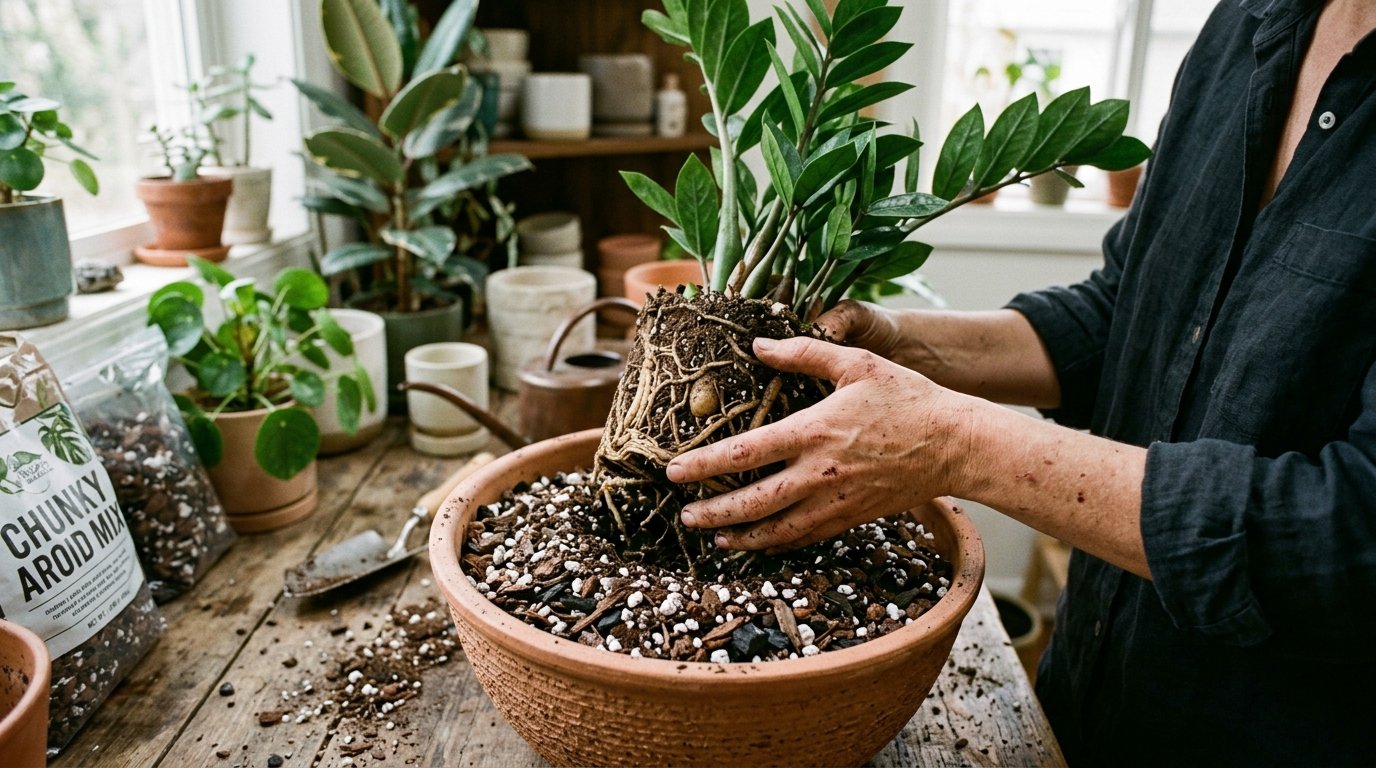
- Repot with Fresh Soil: Gently remove the plant from its pot, clean off as much of the old soil as possible, and repot it in a fresh, well-draining soil mix. Make sure the new pot has ample drainage holes. This removes any lingering pathogens from the old soil.
- Treat for Pathogens: If you suspect fungal issues, you might use a mild fungicide. For pests, a biological horticultural soap can be effective.
5.3. Restoring a Weak or Recovering ZZ Plant
Once you’ve addressed the immediate problem, it’s time for rehabilitation.
- Mild Root Stimulant: After repotting or treating rot, a diluted root stimulant can encourage new, healthy root development.
- Moderate Watering: This is critical during recovery. Be extra careful not to overwater. Let the soil dry out thoroughly between waterings.
- Increase Indirect Light: Move the plant to a spot with bright, diffused light. This aids in photosynthesis and recovery, but remember to keep it out of direct sun.
- Regular Leaf Cleaning: Gently wipe down the leaves with a damp cloth to remove any dust. Clean leaves photosynthesize more efficiently and help you spot any new pest issues early.
6. Regular Pruning and Cleaning for a Beautifully Branching ZZ Plant
Pruning might sound intimidating, but it’s a simple process that keeps your ZZ plant looking its best and encourages new growth.
6.1. When to Prune Old Leaves and Stems from Your ZZ Plant
Don’t be afraid to snip away for a healthier, fuller plant.
- Periodically: A light trim every 1-2 months is a good habit. You’re mostly looking to remove anything that looks tired or damaged.
- When Needed: Definitely prune after a round of yellowing leaves, or if you notice any stems that look weak or diseased. You might also want to do a more significant trim after the rare occasion your plant flowers, or when new branches emerge.
- Best Time: Early spring or late fall are generally ideal times for more substantial pruning, as the plant is either coming into or winding down from its active growth phase.
6.2. How to Clean Leaves for Better Photosynthesis
Clean leaves are happy leaves that can breathe and eat better.
- Damp Cloth is Your Friend: Simply take a soft, damp cloth and gently wipe down each leaf, top and bottom, to remove any accumulated dust. It’s amazing how much dust can gather and block light!
- Avoid Harsh Cleaners: Never use chemical cleaners or alcohol on your leaves. These can strip their natural protective layers and cause damage.
6.3. Benefits of Regular Pruning for Your ZZ Plant
Pruning isn’t just about aesthetics; it’s about plant health.
- Stimulates New Growth: Cutting back old or leggy stems encourages the plant to put energy into producing new, healthier branches, leading to a fuller appearance.
- Limits Pests and Diseases: Removing diseased or dying parts prevents issues from spreading to the rest of the plant. It also improves air circulation, which can deter certain pests.
- Shapes the Plant: Pruning allows you to maintain a neat, balanced, and aesthetically pleasing shape for your ZZ plant, making it a true centerpiece in your space.
7. Frequently Asked Questions About ZZ Plant Care
I hear these questions all the time, so let’s get them answered.
7.1. Does a ZZ Plant need repotting? How long between repots?
Absolutely, repotting is part of its long-term health.
- Your ZZ plant will eventually outgrow its pot, and its roots need more space to develop. Plus, fresh soil provides renewed nutrients.
- Typically, you’ll need to repot every 2-3 years. However, if your plant is growing exceptionally fast or becoming noticeably root-bound (roots circling at the bottom or coming out of drainage holes), you might need to do it sooner.
7.2. How can I make my ZZ Plant bloom?
This is a tricky one for ZZ plants indoors.
- While ZZ plants can produce a small, unique flower, it’s quite rare for them to do so when grown as houseplants.
- To maximize your chances, focus on exceptional ZZ plant care: provide ample indirect light, maintain consistent temperatures, and fertilize correctly with a balanced feed (leaning slightly towards potassium and phosphorus, rather than too much nitrogen). Proper pruning also helps direct energy.
7.3. Should I place my ZZ Plant in the bedroom?
Many people do, and for good reason!
- ZZ plants are a popular choice for bedrooms thanks to their air-purifying qualities and attractive looks. They’re also quite low-maintenance, which is a bonus for a bedroom plant.
- Just be sure the plant continues to receive good care, especially adequate indirect light and proper watering, so it remains healthy and doesn’t negatively impact your indoor air quality.